Guide library
All guides page 4
Showing guides 55–72 of 79. Looking for something specific?Search from the first page or browse by topic.

The whole catalog is here
Thirty-two products, one store, every page complete — the full Spectral Colors catalog is live, from Prism Q to Lumen Grid.
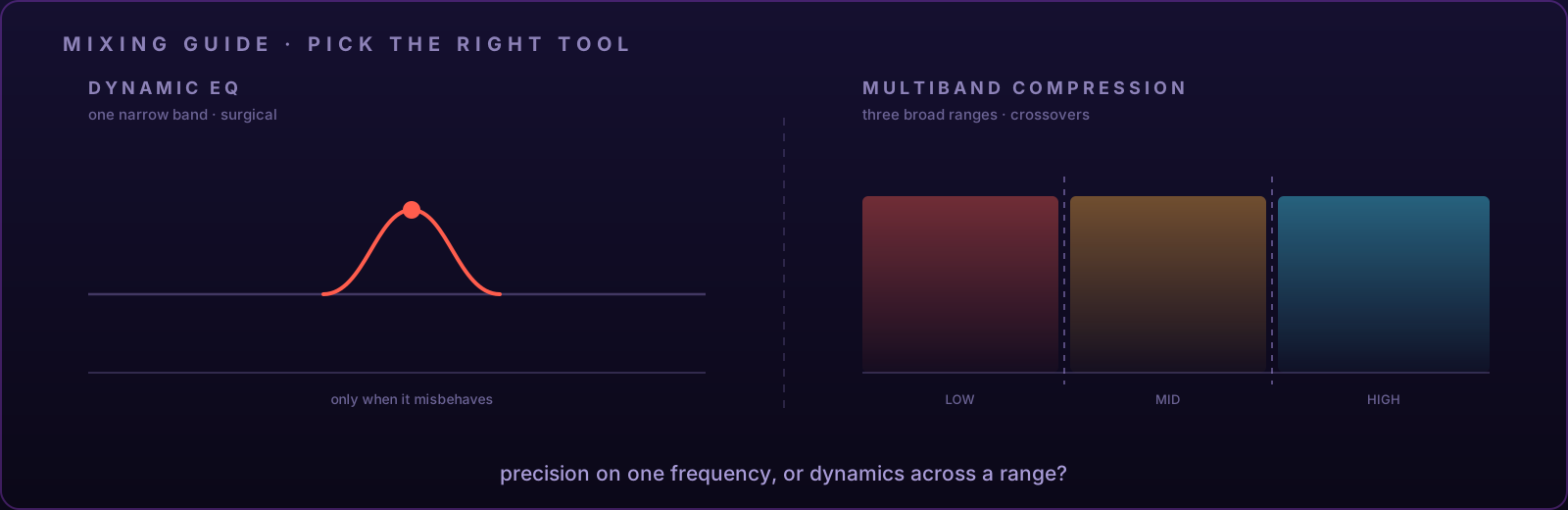
Dynamic EQ vs multiband compression: which should you use?
Choose dynamic EQ for a precise frequency that misbehaves occasionally; choose multiband compression when a broader range needs its own dynamics and character.
How loud should your master be? LUFS without the myths
There is no mandatory LUFS number for every release. Build the master that serves the music, preserve the dynamics you value, and verify the destination requirements.
How to gate vocals without cutting off words
Set the gate from the quietest wanted phrase, not the loudest noise. Then use hold, release and a limited range to make closing sound natural.
How to install CLAP plugins on Windows
Use the developer's installer, keep the standard Common Files CLAP folder, then run your DAW's plugin scan. Here is the complete checklist.
How to make bass louder without clipping
More bass level is not always more audible bass. Create space, control peak-to-average ratio, and add useful harmonics so the line translates beyond large speakers.
How to use a spectrum analyzer for mixing without mixing with your eyes
A spectrum analyzer is a diagnostic display, not an automatic mix verdict. Learn what resolution, speed, tilt and averaging change before reacting to the graph.
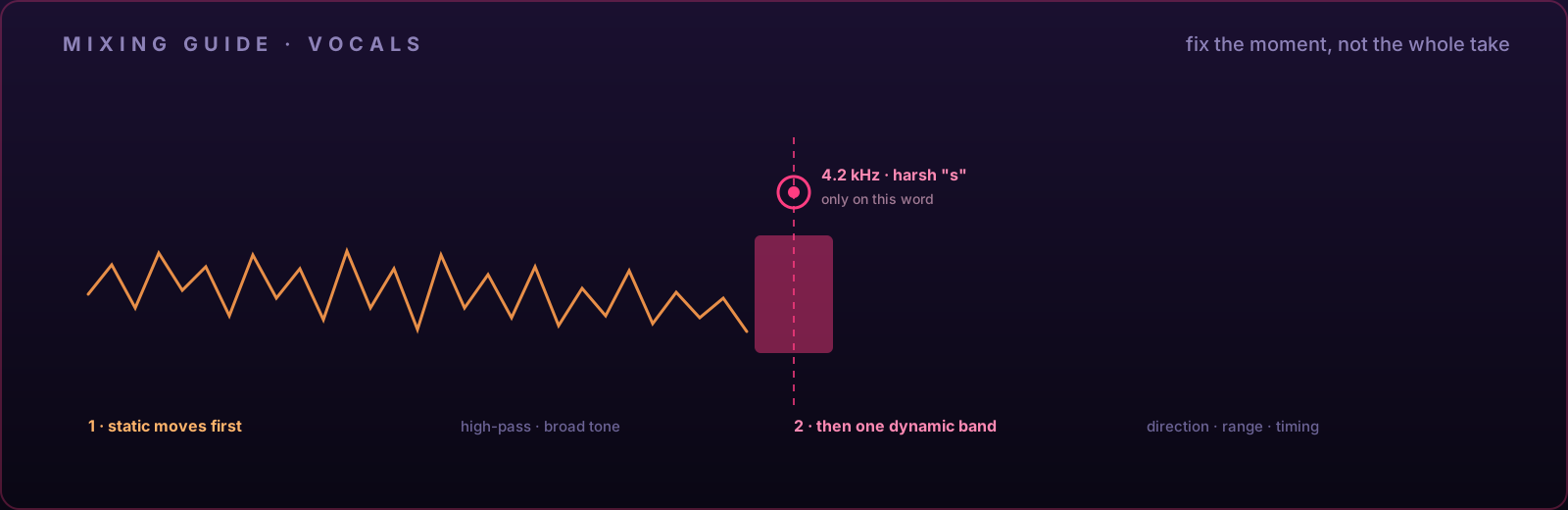
How to use dynamic EQ on vocals without making them dull
Treat the moments that misbehave, not the singer's whole tone. This workflow keeps dynamic EQ focused and the vocal alive.
Noise gate vs denoise: which cleanup tool should you use?
Use a gate for unwanted sound in the gaps. Use denoise when the noise continues underneath wanted audio. Often the cleanest workflow uses modest amounts of both.
Phaser vs flanger vs chorus: what is the difference?
A phaser uses modulated all-pass filters, a flanger mixes in a very short modulated delay, and chorus uses delayed voices with enough variation to suggest multiple performers.
True peak vs sample peak: a practical limiting guide
A sample-peak meter sees stored sample values. A true-peak meter estimates the waveform reconstructed between them—and that difference can matter after conversion or encoding.
What is a CLAP audio plugin? A practical guide for producers
CLAP is the connection standard between a DAW and an audio plugin—not a type of sound or effect. Here is what that means in a real studio.
What is granular synthesis? From sample to living texture
Granular synthesis creates textures from many short sonic events called grains. Their timing, source position, duration, pitch and envelope determine what the cloud becomes.
What is spectral processing in audio?
Spectral processing transforms audio in a time-frequency representation, allowing frequency components to be selected, moved, held or reshaped independently.
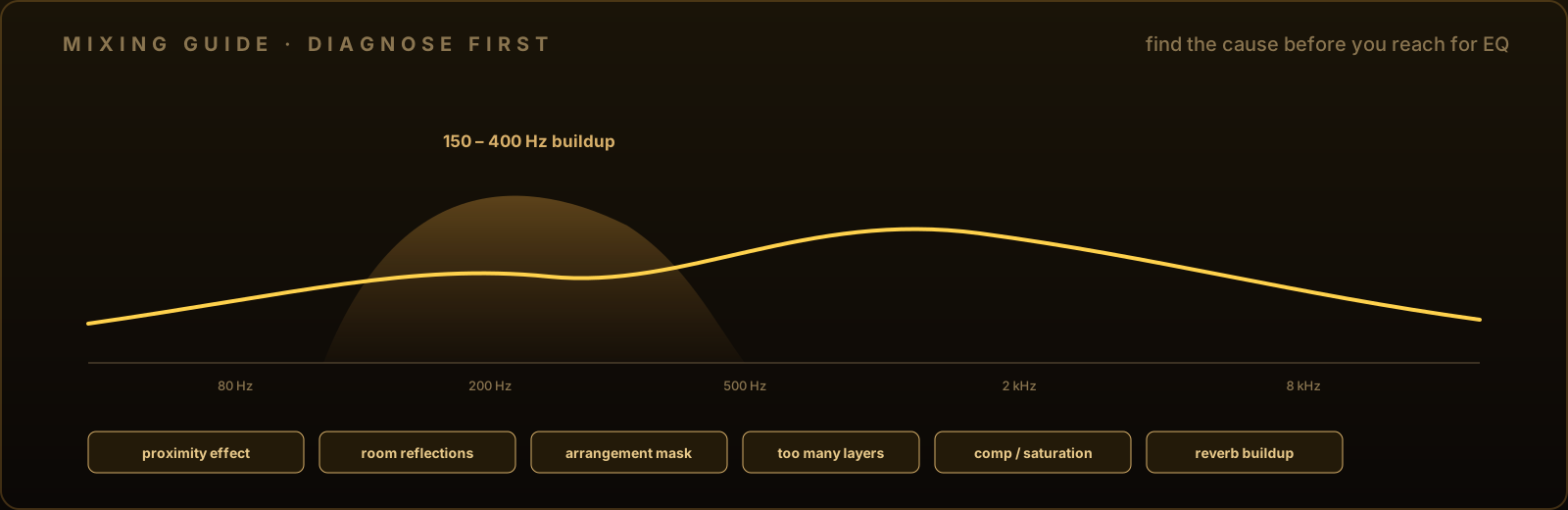
Why do my vocals sound muddy? Diagnose the cause before EQ
Mud is not one magic frequency. Find whether the excess comes from the recording, the arrangement, dynamics or effects before cutting the vocal.
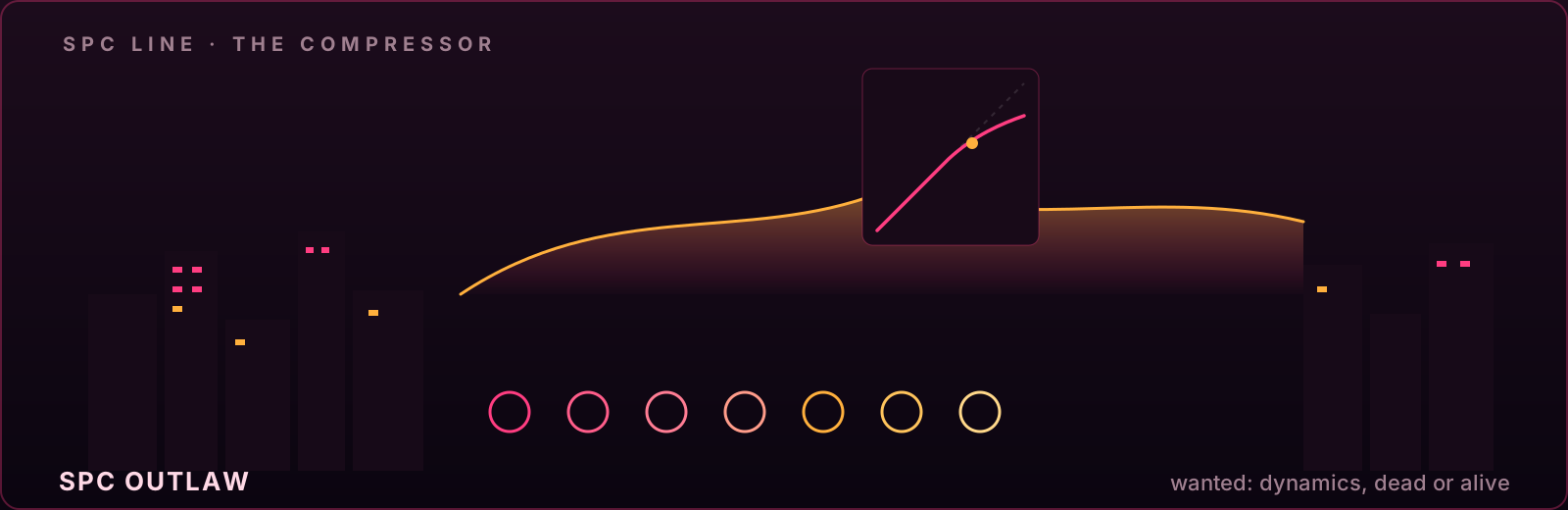
Introducing SPC Outlaw
A multi-character compressor with a reputation: seven characters, spectral dynamics and a saturation End Chain on a console that shows you everything.
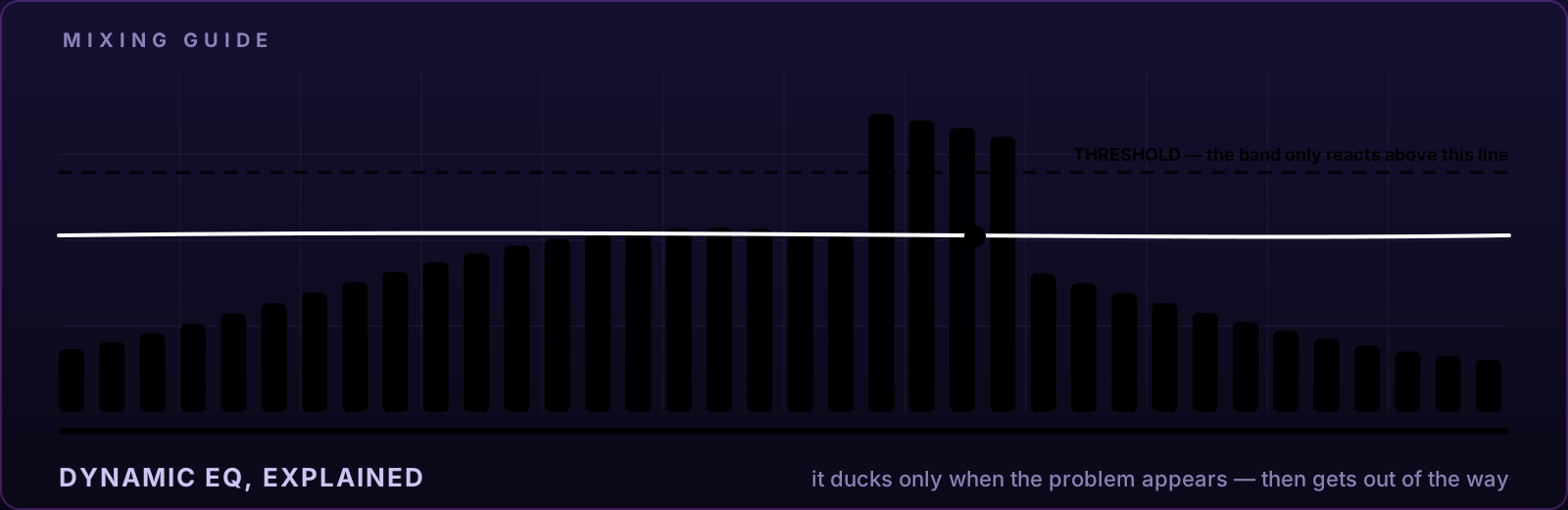
Dynamic EQ explained: when to use it instead of a compressor
A compressor turns down the whole club when one person gets loud. A dynamic EQ walks over and taps that one person on the shoulder. Here's when to use which — and how to dial it in.
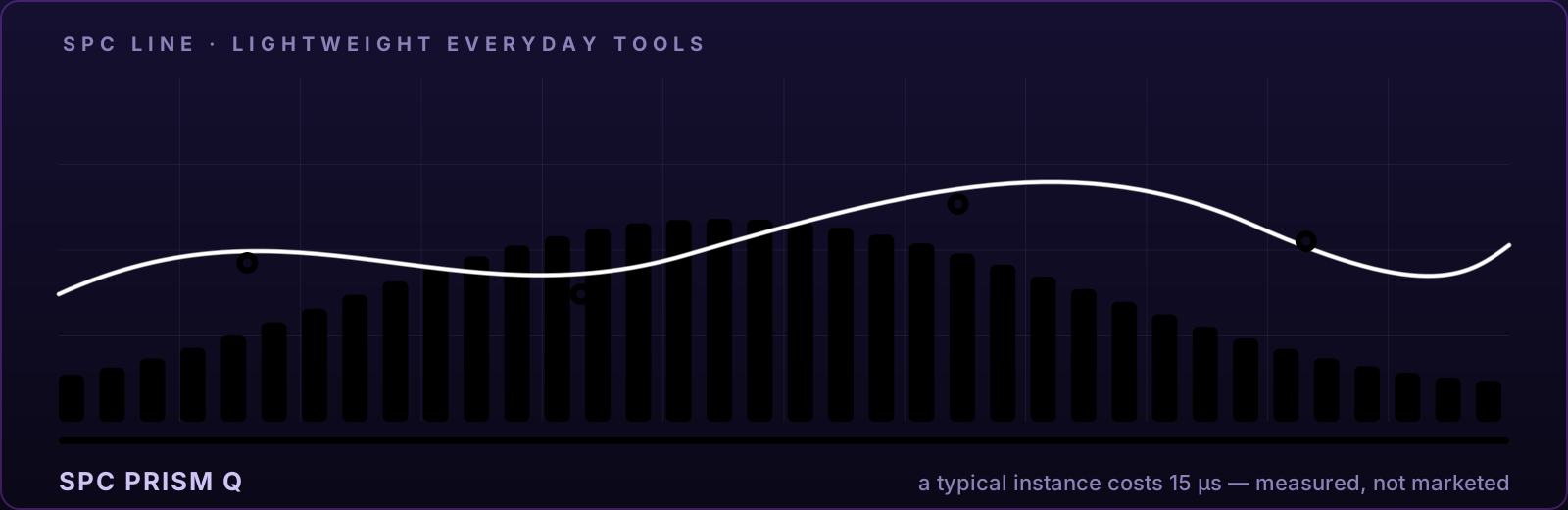
SPC Prism Q: the EQ that refuses to melt your laptop
We benchmarked our new EQ on every release until a typical instance cost 15 microseconds. Here's why a lightweight CPU EQ changes how you mix — and the real numbers to prove it.