Audio knowledge base
Mixing Guides
Practical mixing techniques for clearer balances, better tonal decisions, and more controlled productions. From independent developer JM Roque da Silva.
14 visual articles
Using one sound to duck another: how to make space in a mix
Space is not created by turning things up. It is created by deciding who is allowed to be loud at each moment.
Effects chain order: why the rack hierarchy changes your sound
Two identical plugins in a different order do not sound the same. Each one reacts to what the previous one already changed.
Fixing weak mixes with EQ and sound hierarchy
A weak mix is rarely missing processing. It is missing a decision about who matters most.
Creating space in a mix: the four dimensions
Every element needs somewhere to be. There are four places to put it, and most mixes only use one.
Muddy reverb? This is how to use it the right way
Reverb does not make a mix muddy. Unfiltered, undelayed, undicked reverb does.
Mix with everything playing, not in solo
A sound that is beautiful alone is often wrong in the mix. Context is the only place where balance exists.
Mixing by meters vs mixing by ear: how to use both
A meter has never once told you whether a mix is good. It tells you what is happening, which is a different and still useful thing.
The mixing checklist: what to run before you call it done
Run these checks before you call a mix finished. Each one catches a problem that is expensive to find later.
Use less, but use the right thing in the right order
Three plugins doing 2 dB each is not subtle. It is three chances to be slightly wrong.
What is headroom, and why do you need it?
Headroom is room to work. Without it, every processor you add is already fighting the ceiling.
What is mixing? The job, explained simply
Mixing is five decisions repeated: how loud, where, what tone, how dynamic, how far away.
When to sidechain kick and bass — and when not to
Sidechain the bass to the kick when they genuinely collide. If they do not collide, you are adding a rhythmic effect and calling it a fix.
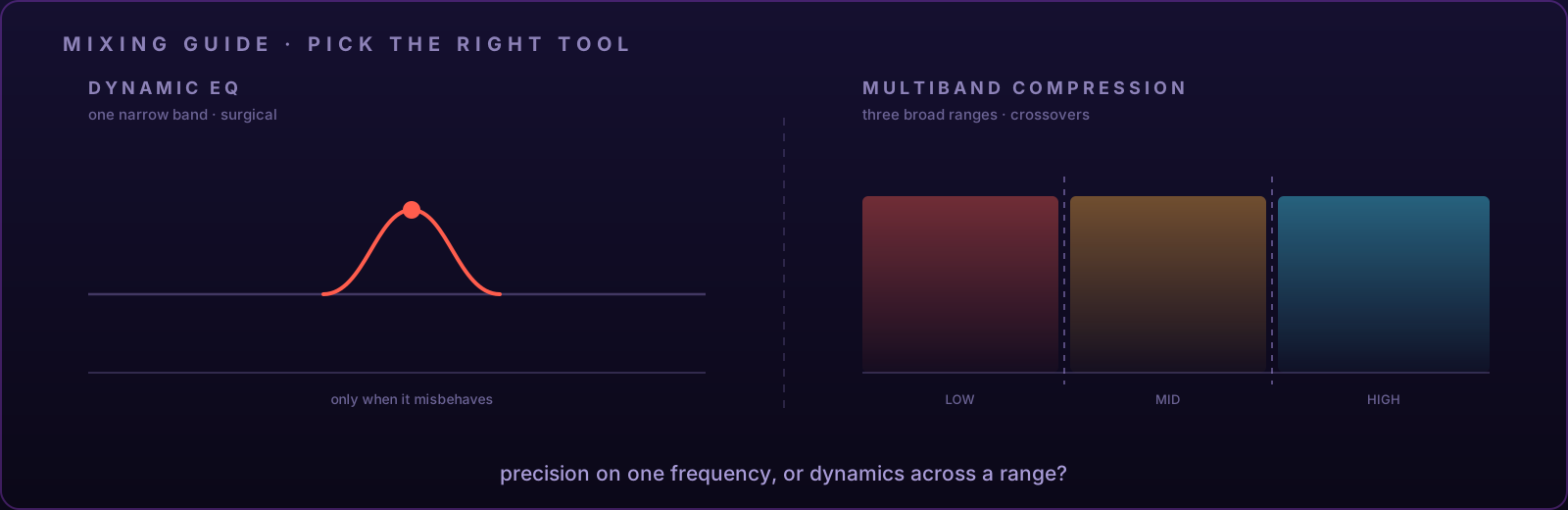
Dynamic EQ vs multiband compression: which should you use?
Choose dynamic EQ for a precise frequency that misbehaves occasionally; choose multiband compression when a broader range needs its own dynamics and character.
How to use a spectrum analyzer for mixing without mixing with your eyes
A spectrum analyzer is a diagnostic display, not an automatic mix verdict. Learn what resolution, speed, tilt and averaging change before reacting to the graph.